


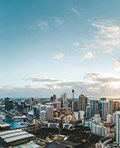
Brisbane CBD
The city's central business district, home to Queen Street Mall, Brisbane City Hall, restaurants and major transport connections.
Best for: First-time visitors, shopping and sightseeing

Brisbane is also nicknamed the ‘River City’ because of its close connection to Brisbane River. A cruise along the river offers a different perspective, with views of waterfront precincts, bridges, parks and the city skyline along the way. River tours range from short sightseeing trips to longer lunch and sunset experiences. Beyond the city, Brisbane cruises also venture into Moreton Bay, where you can explore islands, enjoy resort activities and discover marine environments such as the Tangalooma Wrecks. Depending on the experience, activities can include snorkelling, kayaking and wildlife encounters.
Brisbane Cruise Experiences
Brisbane combines riverside landmarks, cultural institutions, historic sites, parks and modern entertainment precincts. Many of the city's major attractions are concentrated around the CBD, South Bank and the Brisbane River.
The Story Bridge is one of Brisbane’s most recognisable landmarks and connects Kangaroo Point with Fortitude Valley. Opened in 1940, the steel cantilever bridge stretches across the Brisbane River and is particularly striking when viewed from the river or Kangaroo Point. Visitors can also join the Story Bridge Adventure Climb for panoramic views across Brisbane.
Located around 12 kms southwest of Brisbane CBD, Lone Pine Koala Sanctuary is home to koalas, kangaroos, wombats, Tasmanian devils, dingoes, reptiles and a range of native bird species. Visitors can walk through different wildlife habitats, see koalas up close and participate in selected animal encounters. It can also be combined with a river cruise as part of a day experience.
The Wheel of Brisbane stands beside the Brisbane River within South Bank Parklands. Its enclosed gondolas provide elevated views over South Bank, the CBD, the river and surrounding suburbs, making it a straightforward way to get a broad view of the city. A ride can easily be combined with the Cultural Centre, Streets Beach and the rest of South Bank.
Located on the southern bank of the Brisbane River, this 17-hectare parkland includes riverside walking paths, gardens, restaurants, picnic areas and Streets Beach, a man-made swimming lagoon with a sandy beach in the middle of the city. South Bank is also home to the Queensland Cultural Centre, making it easy to combine the parklands with Brisbane's major museums and galleries.
The Queensland Cultural Centre in South Bank is Brisbane's main concentration of museums, galleries and performing arts venues. It includes the Queensland Art Gallery, Gallery of Modern Art (GOMA), Queensland Museum and Queensland Performing Arts Centre (QPAC). GOMA is particularly known for its major contemporary art exhibitions, while the Queensland Museum covers natural history, science, cultural heritage and Queensland's past.
The Kangaroo Point Cliffs rise beside the Brisbane River, providing views across the CBD, Story Bridge and surrounding riverfront. The cliffs were formed from Brisbane tuff, a volcanic rock created by ancient volcanic activity in the region. Today, the area is used for walking, cycling, picnicking, rock climbing and abseiling.
The Brisbane City Botanic Gardens occupy a large riverside site at the eastern edge of the CBD. Established in the 19th century, the gardens contain mature subtropical plants, ornamental ponds, lawns, walking paths and collections of plants from Queensland and other parts of the world.
Mount Coot-tha Lookout sits on the western edge of Brisbane and provides one of the city’s best elevated views. From the lookout, visitors can see across the Brisbane skyline towards Moreton Bay. The surrounding Mount Coot-tha Reserve contains walking trails and native bushland, while the nearby Brisbane Botanic Gardens (not to be confused with the City Botanic Garden) covers 56 hectares and contains themed gardens and plant collections.
Queen Street Mall is Brisbane’s main shopping precinct, extending for around 500m between George Street and Edward Street. It contains hundreds of shops, department stores, cafés and restaurants and connects with major city attractions, including Brisbane City Hall and the Treasury precinct.
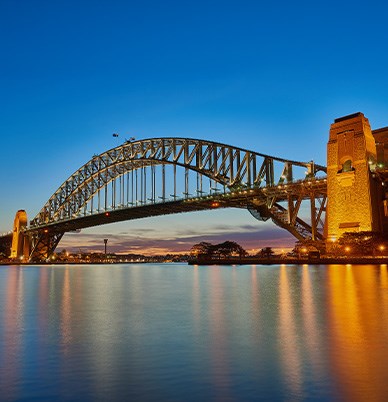
The Story Bridge is one of Brisbane’s most recognisable landmarks and connects Kangaroo Point with Fortitude Valley. Opened in 1940, the steel cantilever bridge stretches across the Brisbane River and is particularly striking when viewed from the river or Kangaroo Point. Visitors can also join the Story Bridge Adventure Climb for panoramic views across Brisbane.
Located around 12 kms southwest of Brisbane CBD, Lone Pine Koala Sanctuary is home to koalas, kangaroos, wombats, Tasmanian devils, dingoes, reptiles and a range of native bird species. Visitors can walk through different wildlife habitats, see koalas up close and participate in selected animal encounters. It can also be combined with a river cruise as part of a day experience.
The Wheel of Brisbane stands beside the Brisbane River within South Bank Parklands. Its enclosed gondolas provide elevated views over South Bank, the CBD, the river and surrounding suburbs, making it a straightforward way to get a broad view of the city. A ride can easily be combined with the Cultural Centre, Streets Beach and the rest of South Bank.
Located on the southern bank of the Brisbane River, this 17-hectare parkland includes riverside walking paths, gardens, restaurants, picnic areas and Streets Beach, a man-made swimming lagoon with a sandy beach in the middle of the city. South Bank is also home to the Queensland Cultural Centre, making it easy to combine the parklands with Brisbane's major museums and galleries.
The Queensland Cultural Centre in South Bank is Brisbane's main concentration of museums, galleries and performing arts venues. It includes the Queensland Art Gallery, Gallery of Modern Art (GOMA), Queensland Museum and Queensland Performing Arts Centre (QPAC). GOMA is particularly known for its major contemporary art exhibitions, while the Queensland Museum covers natural history, science, cultural heritage and Queensland's past.
The Kangaroo Point Cliffs rise beside the Brisbane River, providing views across the CBD, Story Bridge and surrounding riverfront. The cliffs were formed from Brisbane tuff, a volcanic rock created by ancient volcanic activity in the region. Today, the area is used for walking, cycling, picnicking, rock climbing and abseiling.
The Brisbane City Botanic Gardens occupy a large riverside site at the eastern edge of the CBD. Established in the 19th century, the gardens contain mature subtropical plants, ornamental ponds, lawns, walking paths and collections of plants from Queensland and other parts of the world.
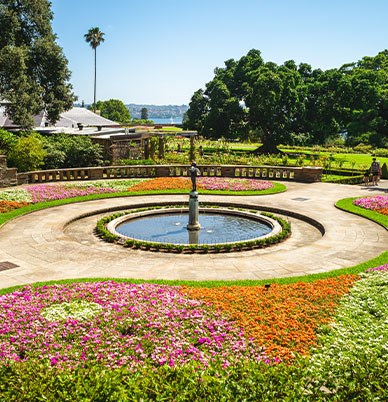
Mount Coot-tha Lookout sits on the western edge of Brisbane and provides one of the city’s best elevated views. From the lookout, visitors can see across the Brisbane skyline towards Moreton Bay. The surrounding Mount Coot-tha Reserve contains walking trails and native bushland, while the nearby Brisbane Botanic Gardens (not to be confused with the City Botanic Garden) covers 56 hectares and contains themed gardens and plant collections.
Queen Street Mall is Brisbane’s main shopping precinct, extending for around 500m between George Street and Edward Street. It contains hundreds of shops, department stores, cafés and restaurants and connects with major city attractions, including Brisbane City Hall and the Treasury precinct.
The city's central business district, home to Queen Street Mall, Brisbane City Hall, restaurants and major transport connections.
Best for: First-time visitors, shopping and sightseeing

A riverside precinct known for South Bank Parklands, Streets Beach, cultural institutions, restaurants and views across the Brisbane River
Best for: Families, culture, riverside walks and dining
One of Brisbane's main entertainment districts, with restaurants, bars, live music venues, boutiques and nightlife.
Best for: Dining, shopping, nightlife and live music
A diverse inner-city neighbourhood known for independent cafés, markets, live music and a multicultural food scene.
Best for: Food, markets and local culture
A leafy riverside neighbourhood close to the CBD, known for New Farm Park, the Brisbane Powerhouse, cafés and riverside walking paths.
Best for: Parks, arts, dining and relaxed afternoons
A riverside suburb dominated by the Kangaroo Point Cliffs, with walking paths, picnic areas and views towards the CBD and Story Bridge.
Best for: River views, rock climbing and photography
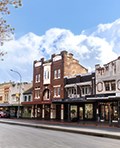
A historic inner-city neighbourhood with Queenslander houses, vintage shops, cafés, restaurants and boutiques along Given Terrace and Latrobe Terrace.
Best for: Shopping, cafés, heritage architecture and local vibe
A former wool-storage district turned upscale riverside neighbourhood, known for converted heritage warehouses, industrial-chic apartments and dining.
Best for: Riverside dining and cafes
 Cruise the Brisbane River (recommended)Snorkel at Tangalooma WrecksGo on a Moreton Bay sailing cruiseSwim at Streets Beach, South BankVisit Queensland Art Gallery (recommended)Explore the Gallery of Modern Art (GOMA)Visit Queensland MuseumSee a show at Queensland Performing Arts CentreVisit Lone Pine Koala Sanctuary (recommended)Go on a Moreton Bay dolphin watching cruiseVisit Walkabout Creek Discovery CentreCruise to see migrating Humpback whalesWalk through the City Botanic Gardens (recommended)Visit Botanic Gardens at Mount Coot-thaCatch the sunset from the Coot-tha LookoutSee jacarandas at New Farm Park (Oct to Nov)Explore Queen Street Mall (recommended)Visit Eat Street NorthshoreExplore James Street in Fortitude ValleyEat at West End's cafés and restaurantsClimb the Story Bridge (recommended)Abseil or rock climb the Kangaroo Point CliffsSand tobogganing on Moreton IslandATV rides on Moreton Island
Brisbane’s location makes it a useful base for exploring the islands, beaches and other alluring Queensland attractions. Some destinations are close enough for a half-day trip, while others are better suited to a full day.
World's third-largest sand island, known for its beaches, sand dunes, marine wildlife and the Tangalooma Wrecks. Day tours from Brisbane can combine island access with snorkelling, kayaking, wildlife encounters, Tangalooma Island Resort facilities or adventure activities.
North Stradbroke Island is known for its beaches, coastal scenery, wildlife, walking trails and Aboriginal cultural tours. Point Lookout provides views over the ocean and surrounding coastline.
Australia's theme park capital, with Surfers Paradise’s beaches, jet boat rides and high-rise skyline as the main drawcard.
Mount Tamborine sits in the Gold Coast hinterland and combines rainforest, walking trails, lookouts, galleries, cafés and local food and wine experiences. It is a good choice for visitors looking for a cooler mountain escape.
The Sunshine Coast stretches north of Brisbane and includes beaches, coastal towns, national parks and the Glass House Mountains. Popular destinations include Noosa Everglades, Mooloolaba and Caloundra.
* You can mix and match these itineraries according to your time, interests and convenience to create your own Brisbane experience.
Brisbane Airport (BNE) is Queensland’s main international airport and the primary gateway for visitors arriving by air. It operates domestic and international flights, with regular connections to major Australian cities and destinations across North America, Asia, New Zealand and beyond.
Brisbane has an extensive public transport network of trains, buses and ferries. The city's ferry network is useful for travelling along the Brisbane River and reaching riverside precincts. Visitors can use the Translink integrated public transport network to travel around Brisbane and the wider southeast Queensland region.
For central sightseeing, many major attractions can also be reached on foot, particularly around the CBD, South Bank, Queen Street Mall and the Brisbane River.
| Resource | Purpose |
|---|---|
| Visit Brisbane | Find attractions, things to do, events, neighbourhoods and visitor information |
| Translink | Brisbane trains, buses, ferries, fares and public transport |
| Brisbane Airport | Flight information, terminals and airport transport |
| Park and Forest | National parks, walking trails, beaches and outdoor destinations |
| Bureau of Meteorology | Brisbane weather forecasts and warnings |
| Queensland.com | Queensland destinations, events and travel information |


Posted On: Sep 03, 2026
Moreton Island is located around 40 kilometres off the coast of Brisbane. It remains one of Queensland's surprising escapes for multiple reasons. Moreton Island is the third-largest sand island in the world, with roughly 98% of it protected as Gheebulum Kunungai (Moreton Island) National Park.
Posted On: Mar 13, 2026
Brisbane is not just a sun-soaked river city; it’s the launchpad to some of Queensland’s most stunning coastal escapes.
Posted On: Feb 03, 2026
Queensland’s high-flying capital, Brisbane, creates its own rhythm. At first glance, this clean, green River City may just look like tall buildings in a riverside setting, but there's definitely more than what meets the eye.
Posted On: Jan 12, 2026
The city of Brisbane in Australia is a popular tourist destination and is Australia's most biodiverse and greenest city. The capital city of the northeastern state of Queensland, it has the longest river in South East Queensland – the Brisbane River.


