


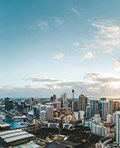
Melbourne CBD
Melbourne’s central hub, packed with laneways, shopping, major attractions, cafés and restaurants.
Best for: First-time visitors, sightseeing and city exploration

Melbourne’s waterways cut through some of the city's most recognisable landscapes, making Melbourne cruises a practical way to see the city and enjoy the on-water experience. Along the Yarra, Melbourne river cruises pass landmarks including Flinders Street Station, Federation Square, the Melbourne Arts Centre, Southbank, the Royal Botanic Gardens and Docklands, as well as historic bridges and the city skyline. Depending on the cruise, you can choose a short sightseeing trip or settle in for a lunch, dinner or brunch cruise with the city passing you by.
Beyond the Yarra, the experience changes from cityscape to coastline. Cruises across Port Phillip Bay and around the Mornington Peninsula open up views of Victoria’s coast, with options focused on marine wildlife, dolphin and seal encounters and time on the water.
Melbourne Cruise Experiences
Melbourne combines historic architecture, major cultural institutions, sporting venues, markets and waterfront precincts. Many of the city's most recognisable attractions are concentrated around the CBD and can be reached easily by tram or on foot.
Located beside the Yarra River opposite Flinders Street Station, Federation Square is one of Melbourne's main meeting places. The precinct is home to the Australian Centre for the Moving Image (ACMI), the Ian Potter Centre: NGV Australia, the Koorie Heritage Trust and more, along with restaurants, cafés and public events.
Australia’s oldest railway station and one of Melbourne's most recognisable buildings, Flinders Street Station stands at the corner of Flinders and Swanston Streets, with the Yarra River behind it. Its distinctive long platforms, clocks and Edwardian Baroque facade have made it one of the city's most photographed landmarks.
The Melbourne Cricket Ground, better known as the MCG, is one of Australia’s most famous sporting venues and has hosted major cricket and Australian rules football matches for more than 160 years. The stadium can accommodate more than 100,000 spectators and forms the centrepiece of Melbourne's sporting precinct. Visitors can attend a match or take a guided tour of the stadium and its sporting history.
The National Gallery of Victoria (NGV) is Australia’s “oldest and most visited gallery”, with collections spanning Australian, Indigenous, Asian and international art. Its two major sites are NGV International on St. Kilda Road and The Ian Potter Centre: NGV Australia at Federation Square. The St. Kilda Road building is also known for its large stained-glass ceiling.
The RBGV covers 38 hectares beside the Yarra River, with more than 8,500 plant species from around the world. The gardens include lakes, lawns, themed collections and walking paths, making them a popular escape from the city centre. The Shrine of Remembrance and National Gallery of Victoria can easily be combined with this visit.
Queen Victoria Market has been part of Melbourne's food and shopping scene since the 19th century and remains the “largest open air market in the southern hemisphere”. Stalls sell fresh produce, meat, seafood, deli products, clothing, souvenirs and street food. The market is located on the edge of the CBD and sits within Melbourne's Free Tram Zone.
Melbourne's laneways are a defining part of the city's character, packed with street art, independent cafés, small bars, restaurants and hidden shops. Hosier Lane is the most famous, with walls and alleyways covered in murals and graffiti that change regularly. Beyond Hosier Lane, AC/DC Lane, Centre Place and Degraves Street reveal a quieter side of the CBD, from tiny coffee counters and restaurants to tucked-away bars and boutiques.
Melbourne Skydeck occupies the 88th floor of Eureka Tower in Southbank, offering 360° views across Melbourne and beyond. It is the “highest public observation deck in the Southern Hemisphere.” Visitors can see the CBD, Yarra River, Port Phillip Bay and surrounding suburbs from the observation deck. The Edge, a glass cube extending from the building, offers an additional viewing experience above the city.
St. Kilda Beach is Melbourne's best-known city beach, stretching along the shores of Port Phillip Bay just south of the CBD. The foreshore is popular for walking, cycling and swimming, while nearby Acland Street and Fitzroy Street are lined with cafés, restaurants and shops. St. Kilda Pier and Luna Park are two of the area's most recognisable landmarks.
Located beside the Yarra River opposite Flinders Street Station, Federation Square is one of Melbourne's main meeting places. The precinct is home to the Australian Centre for the Moving Image (ACMI), the Ian Potter Centre: NGV Australia, the Koorie Heritage Trust and more, along with restaurants, cafés and public events.
Australia’s oldest railway station and one of Melbourne's most recognisable buildings, Flinders Street Station stands at the corner of Flinders and Swanston Streets, with the Yarra River behind it. Its distinctive long platforms, clocks and Edwardian Baroque facade have made it one of the city's most photographed landmarks.
The Melbourne Cricket Ground, better known as the MCG, is one of Australia’s most famous sporting venues and has hosted major cricket and Australian rules football matches for more than 160 years. The stadium can accommodate more than 100,000 spectators and forms the centrepiece of Melbourne's sporting precinct. Visitors can attend a match or take a guided tour of the stadium and its sporting history.
The National Gallery of Victoria (NGV) is Australia’s “oldest and most visited gallery”, with collections spanning Australian, Indigenous, Asian and international art. Its two major sites are NGV International on St. Kilda Road and The Ian Potter Centre: NGV Australia at Federation Square. The St. Kilda Road building is also known for its large stained-glass ceiling.
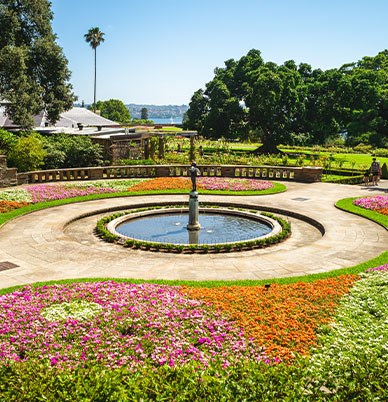
The RBGV covers 38 hectares beside the Yarra River, with more than 8,500 plant species from around the world. The gardens include lakes, lawns, themed collections and walking paths, making them a popular escape from the city centre. The Shrine of Remembrance and National Gallery of Victoria can easily be combined with this visit.
Queen Victoria Market has been part of Melbourne's food and shopping scene since the 19th century and remains the “largest open air market in the southern hemisphere”. Stalls sell fresh produce, meat, seafood, deli products, clothing, souvenirs and street food. The market is located on the edge of the CBD and sits within Melbourne's Free Tram Zone.
Melbourne's laneways are a defining part of the city's character, packed with street art, independent cafés, small bars, restaurants and hidden shops. Hosier Lane is the most famous, with walls and alleyways covered in murals and graffiti that change regularly. Beyond Hosier Lane, AC/DC Lane, Centre Place and Degraves Street reveal a quieter side of the CBD, from tiny coffee counters and restaurants to tucked-away bars and boutiques.
Melbourne Skydeck occupies the 88th floor of Eureka Tower in Southbank, offering 360° views across Melbourne and beyond. It is the “highest public observation deck in the Southern Hemisphere.” Visitors can see the CBD, Yarra River, Port Phillip Bay and surrounding suburbs from the observation deck. The Edge, a glass cube extending from the building, offers an additional viewing experience above the city.
St. Kilda Beach is Melbourne's best-known city beach, stretching along the shores of Port Phillip Bay just south of the CBD. The foreshore is popular for walking, cycling and swimming, while nearby Acland Street and Fitzroy Street are lined with cafés, restaurants and shops. St. Kilda Pier and Luna Park are two of the area's most recognisable landmarks.
Melbourne’s central hub, packed with laneways, shopping, major attractions, cafés and restaurants.
Best for: First-time visitors, sightseeing and city exploration

A lively Yarra River precinct with restaurants, arts venues, riverside walks and Melbourne Skydeck.
Best for: Dining, river views and evening entertainment
A creative neighbourhood known for street art, independent shops, cafés, bars and live music.
Best for: Street art, food, nightlife and local culture
Melbourne’s famous seaside neighbourhood, with a beach, historic pier, Luna Park, cafés and restaurants.
Best for: Beaches, seaside walks and relaxed afternoons
A modern waterfront precinct with restaurants, public art, shopping and views across Victoria Harbour.
Best for: Waterfront dining, architecture and evening walks.
A lively inner-city neighbourhood known for Vietnamese food, shopping, pubs and its proximity to the MCG.
Best for: Food, sport and nightlife
A vibrant neighbourhood filled with independent boutiques, restaurants, breweries, galleries and live music venues.
Best for: Food, shopping, music and alternative culture
A heritage-rich neighbourhood with Victorian-era streets, cafés, restaurants and the popular South Melbourne Market.
Best for: Markets, local food and relaxed city exploration
An upscale inner-city neighbourhood known for stylish shopping, cafés, restaurants and its proximity to the Yarra River and Royal Botanic Gardens.
Best for: Shopping, dining, gardens and an afternoon by the river
Also called ‘Little Italy’, a historic inner-city Italian neighbourhood centred around Lygon Street, Carlton Gardens & Melbourne Museum.
Best for: Italian food, museums and heritage architecture
 Go on a Yarra River Cruise (recommended)Whitewater kayaking on Yarra RiverSpend the day at St. Kilda BeachExplore Brighton Beach and its bathing boxesGo on a Port Phillip Bay CruiseTake a guided tour of the MCG (recommended)Watch an AFL match at MCG or Marvel StadiumAttend the Australian Open (mid-Jan) at Melbourne ParkWatch the Melbourne Cup at Flemington Racecourse (Nov)Visit the Australian Sports MuseumVisit the National Gallery of Victoria (recommended)Explore ACMI at Federation SquareVisit Melbourne MuseumExplore Hosier Lane and Melbourne’s street artVisit the Shrine of RemembranceExplore Queen Victoria Market (recommended)Eat your way through ChinatownTry Italian food on Lygon StreetVisit South Melbourne MarketExplore Melbourne's coffee cultureWalk through the Royal Botanic Gardens (recommended)Visit Carlton GardensPicnic at Fitzroy GardensWalk around Albert Park LakeRuffey Lake ParkPort Phillip Bay dolphin and seal cruise (recommended)Visit Melbourne ZooExplore SEA LIFE Melbourne AquariumVisit Moonlit Sanctuary Wildlife Conservation ParkSee the Penguin Parade on Phillip Island
Melbourne is surrounded by some of Victoria's most popular regional destinations. Several can be visited on a day trip, while trips such as the Great Ocean Road Drive are better suited to an overnight stay if you want to explore at a relaxed pace.
Stretching along Port Phillip Bay, the Mornington Peninsula combines beaches, coastal towns, wineries, hot springs, cruise and wildlife experiences, including dolphin and seal encounters.
Phillip Island is known for its Little Penguins, coastal scenery, fur seals and koalas. The Penguin Parade is the main attraction, while The Nobbies and Cape Woolamai offer coastal walks and ocean views.
The Yarra Valley is one of Victoria's best-known wine regions and is close enough to Melbourne for a full-day trip. Visitors can explore wineries and cellar doors, sample local produce and combine the trip with the Dandenong Ranges.
Wilsons Promontory National Park offers beaches, hiking trails, coastal landscapes and opportunities to see native wildlife. It is one of Victoria's major nature escapes but requires a longer drive from Melbourne. A Wilsons Prom cruise is the best way to explore the place.
Travel into the Dandenong Ranges for a ride on the historic Puffing Billy Railway. The surrounding region features fern-filled forests, gardens, walking trails and small mountain villages such as Sassafras and Olinda.
The Great Ocean Road runs 243 km from Torquay to Warrnambool along Victoria's south-west coast, passing surf beaches, rainforest, coastal cliffs and the Twelve Apostles. From Melbourne, Torquay is around 1.5 hours away, while reaching the Twelve Apostles takes roughly 4 hours by road. The full coastal route takes much longer, so an overnight stay is recommended if you want to explore beyond the main viewpoints.
* You can mix and match these itineraries according to your time, interests and convenience to create your own Melbourne experience.
Melbourne Airport (MEL) is the city’s main international and domestic airport. It handles flights from major Australian cities as well as international destinations across Asia, the Middle East, New Zealand and North America. For domestic flights, Melbourne has frequent connections with Sydney, Brisbane, Gold Coast, Adelaide, Perth, Cairns, Hobart and Canberra. There is also train, coach and car access from Sydney, Adelaide and regional Victoria.
Melbourne has an extensive network of trams, trains and buses. The Free Tram Zone covers much of the central city, including areas around Queen Victoria Market, Docklands, Spring Street, Flinders Street Station and Federation Square.
For rides outside the Free Tram Zone, visitors generally need a myki card, which is available at 7-Eleven stores, Melbourne Airport and other major train stations.
The City Circle Tram is another convenient way to see central Melbourne while travelling between major attractions.
| Resource | Purpose |
|---|---|
| Visit Melbourne | Find things to do, attractions, events and experiences across Victoria |
| Transport Victoria | Melbourne trains, trams, buses, fares, myki and regional public transport |
| Melbourne Airport | Flight information, terminal details and transport options to and from the airport |
| Parks Victoria | National parks, walking trails, beaches and outdoor destinations across Victoria |
| The Bureau of Meteorology | Melbourne weather forecasts and warnings |
| V/Line | Regional train and coach services from Melbourne to destinations across Victoria |


Posted On: Apr 01, 2026
The Yarra River is many things: it's been the lifeblood of Melbourne since the city's founding in 1835, a trade route, a water source; but now it has become one of the most scenic urban waterways in Australia.
Posted On: Mar 17, 2026
Melbourne gets more first-time visitors every year who show up expecting a quieter version of Sydney, but they leave with a whole new appreciation of the city.
Posted On: Mar 09, 2026
Planning a trip to Australia usually means ticking off the big names: Sydney, Melbourne, Brisbane, Adelaide and so on. And, if you’re reading this, then congratulations on your decision—you’ve finally chosen to visit Melbourne.
Posted On: Nov 04, 2024
Each year, the nation holds its breath for one of Australia’s most iconic events: the Melbourne Cup. Known as ‘the race that stops the nation’, this historic horse race has brought together Australians from all walks of life since 1861.


