

Darwin City
The heart of Darwin, home to Smith Street Mall, Mitchell Street and the Esplanade, with the Darwin Waterfront right next door.
Best for: First-time visitors, shopping and city exploration

Darwin is known for its fiery sunsets, and a harbour cruise in Darwin at sunset or over dinner lets you watch them from the best spot: the water. On these Darwin cruises, local seafood, Territory flavours and stories of the city from the crew come along for the ride, with dolphins sometimes spotted along the way. Later, the city lights come out across the harbour.
Just outside the city, the Adelaide River offers a very different experience from other cruises in Darwin. Here, Darwin boat tours trade dolphins for wild saltwater crocodiles that leap right out of the water.
Darwin Cruise Experiences
Darwin's attractions range from close encounters with saltwater crocodiles to wartime history, tropical gardens and a much-loved beachside market. These are some of them:
The city's harbourside playground, near Smith Street Mall in the heart of the city. Its Wave Lagoon rolls out 10 different wave patterns, with waves up to 1.2 metres high, while the free Recreation Lagoon is patrolled daily by lifeguards.
On the edge of the precinct, the historic Stokes Hill Wharf is lined with alfresco eateries serving fresh local seafood, and it is the departure point for Darwin Harbour cruises. A sky bridge and a glass-walled lift link the precinct to the city centre. From the wharf's fishing platform, open around the clock, anglers try their luck for queenfish, trevally and tuna.
Home to the world's largest display of Australian reptiles, right in the heart of the city on Mitchell Street. With more than 70 species on show, its most famous experience is the Cage of Death, which brings visitors face to face with some of the largest saltwater crocodiles on the planet from inside a clear enclosure in the water.
For a gentler encounter, visitors can swim in a pool that brings them up close to young saltwater crocodiles. Inside, the park also has Turtle Billabong, a large aquarium modelled on a river in northern Australia, home to pig-nosed and snapping turtles. The park is open every day.
One of the most popular places in Darwin to watch the sun set over the sea. In the dry season, the beach also hosts the Mindil Beach Sunset Market. Running since 1987, it has more than 150 specialty stores with artists, jewellers and leatherworkers and food vendors serving international and local cuisine like crocodile and barramundi.
The market opens on Thursday and Sunday evenings, from the last Thursday of April to the last Thursday of October. Live music, buskers and circus acts keep the evening lively.
Set on Larrakia Country at Bullocky Point, the museum is free to enter and open every day. Its Cyclone Tracy gallery, redeveloped in 2024, tells the story of the cyclone that struck Darwin in the early hours of Christmas Day in 1974. Visitors can also see Sweetheart, a 5.1m saltwater crocodile caught in 1979.
MAGNT founded the National Aboriginal & Torres Strait Islander Art Awards in 1984, the first and longest-running exhibition of its kind in Australia. Some touring exhibitions and programs are ticketed.
About 42 hectares of tropical gardens just 2km from the city centre, and one of the most significant tropical botanic gardens in Australia. Orchids and bromeliads fill the Plant Display House, while the Cycad Garden is home to ancient plant species.
The Larrakia Coastal Walk, one of the gardens' walking trails, follows a boardwalk from Mindil Beach through mangrove forest, with painted poles showing how the Larrakia people use coastal plants. Kids can explore a playground with a treehouse. Entry is free, the gardens open daily, and Eva's Café sits inside a restored 1897 Wesleyan church.
An open-air cinema on the edge of Darwin Harbour, reached by a well-lit walkway from the city's Esplanade. From mid-April to mid-November, it screens films under the stars seven nights a week. The Darwin Film Society runs the cinema, which has up to 450 seats. Before the film, local caterers serve dinner on site, and a fully licensed kiosk sells drinks and snacks. Guests can also bring their own picnic, but outside alcohol is not allowed.
Found within the East Point Military Precinct, home to the Defence of Darwin Experience and its Bombing of Darwin Gallery, where the events of 19 February 1942 are told through personal stories and wartime displays. The museum was established in 1969 by the Royal Australian Artillery Association (NT).
Its collection includes artillery pieces, vehicles, uniforms, firearms, models and paintings. The museum is open seven days a week, closing only on Good Friday, Christmas Day, Boxing Day and New Year's Day.
Crocodylus Park: Home to more than 1,000 crocodiles, with daily feeding shows and close-up encounters.
Bicentennial Park: Waterfront park along The Esplanade, with harbour views and the Darwin Cenotaph.
Fannie Bay Gaol: Historic former prison dating from 1883, now open to visitors for free.
Darwin Aviation Museum: Home to a giant B-52 bomber and a collection of historic aircraft.
Leanyer Recreation Park: Free family water park with slides, pools and playgrounds.
The city's harbourside playground, near Smith Street Mall in the heart of the city. Its Wave Lagoon rolls out 10 different wave patterns, with waves up to 1.2 metres high, while the free Recreation Lagoon is patrolled daily by lifeguards.
On the edge of the precinct, the historic Stokes Hill Wharf is lined with alfresco eateries serving fresh local seafood, and it is the departure point for Darwin Harbour cruises. A sky bridge and a glass-walled lift link the precinct to the city centre. From the wharf's fishing platform, open around the clock, anglers try their luck for queenfish, trevally and tuna.
Home to the world's largest display of Australian reptiles, right in the heart of the city on Mitchell Street. With more than 70 species on show, its most famous experience is the Cage of Death, which brings visitors face to face with some of the largest saltwater crocodiles on the planet from inside a clear enclosure in the water.
For a gentler encounter, visitors can swim in a pool that brings them up close to young saltwater crocodiles. Inside, the park also has Turtle Billabong, a large aquarium modelled on a river in northern Australia, home to pig-nosed and snapping turtles. The park is open every day.
One of the most popular places in Darwin to watch the sun set over the sea. In the dry season, the beach also hosts the Mindil Beach Sunset Market. Running since 1987, it has more than 150 specialty stores with artists, jewellers and leatherworkers and food vendors serving international and local cuisine like crocodile and barramundi.
The market opens on Thursday and Sunday evenings, from the last Thursday of April to the last Thursday of October. Live music, buskers and circus acts keep the evening lively.
Set on Larrakia Country at Bullocky Point, the museum is free to enter and open every day. Its Cyclone Tracy gallery, redeveloped in 2024, tells the story of the cyclone that struck Darwin in the early hours of Christmas Day in 1974. Visitors can also see Sweetheart, a 5.1m saltwater crocodile caught in 1979.
MAGNT founded the National Aboriginal & Torres Strait Islander Art Awards in 1984, the first and longest-running exhibition of its kind in Australia. Some touring exhibitions and programs are ticketed.
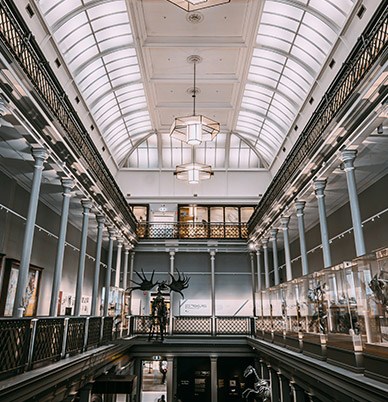
About 42 hectares of tropical gardens just 2km from the city centre, and one of the most significant tropical botanic gardens in Australia. Orchids and bromeliads fill the Plant Display House, while the Cycad Garden is home to ancient plant species.
The Larrakia Coastal Walk, one of the gardens' walking trails, follows a boardwalk from Mindil Beach through mangrove forest, with painted poles showing how the Larrakia people use coastal plants. Kids can explore a playground with a treehouse. Entry is free, the gardens open daily, and Eva's Café sits inside a restored 1897 Wesleyan church.
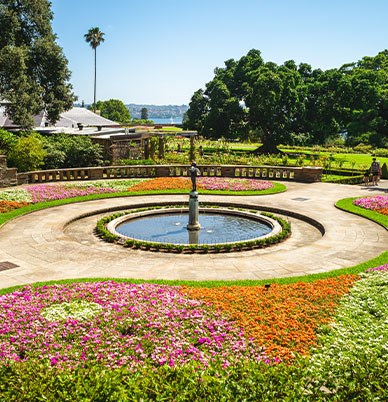
An open-air cinema on the edge of Darwin Harbour, reached by a well-lit walkway from the city's Esplanade. From mid-April to mid-November, it screens films under the stars seven nights a week. The Darwin Film Society runs the cinema, which has up to 450 seats. Before the film, local caterers serve dinner on site, and a fully licensed kiosk sells drinks and snacks. Guests can also bring their own picnic, but outside alcohol is not allowed.
Found within the East Point Military Precinct, home to the Defence of Darwin Experience and its Bombing of Darwin Gallery, where the events of 19 February 1942 are told through personal stories and wartime displays. The museum was established in 1969 by the Royal Australian Artillery Association (NT).
Its collection includes artillery pieces, vehicles, uniforms, firearms, models and paintings. The museum is open seven days a week, closing only on Good Friday, Christmas Day, Boxing Day and New Year's Day.
Crocodylus Park: Home to more than 1,000 crocodiles, with daily feeding shows and close-up encounters.
Bicentennial Park: Waterfront park along The Esplanade, with harbour views and the Darwin Cenotaph.
Fannie Bay Gaol: Historic former prison dating from 1883, now open to visitors for free.
Darwin Aviation Museum: Home to a giant B-52 bomber and a collection of historic aircraft.
Leanyer Recreation Park: Free family water park with slides, pools and playgrounds.
The heart of Darwin, home to Smith Street Mall, Mitchell Street and the Esplanade, with the Darwin Waterfront right next door.
Best for: First-time visitors, shopping and city exploration
A marina lined with waterfront restaurants and a departure point for ferries to nearby islands.
Best for: Waterfront dining, sunsets and island hopping
A seaside stretch of laid-back clubs and coastal parkland, where more than 200 wallabies live at East Point Reserve.
Best for: Sunsets, nature and wartime history
An inner suburb known for its art and its Saturday morning Parap Village Market.
Best for: Art and weekend markets
Darwin's satellite city, with a friendly, relaxed and family-oriented lifestyle.
Best for: Families and a slower pace
A seaside suburb where locals gather on the foreshore at sunset, with markets every Sunday morning close by.
Best for: A local ambience, sunsets and weekend markets
 Hold baby crocs, Crocodylus Park (recommended)Cage of Death, Crocosaurus CoveRufous owls at Botanic GardensExplore Charles Darwin National ParkSpot wallabies at East PointBombing of Darwin VR experience (recommended)Explore WWII Oil Storage TunnelsVisit Fannie Bay GaolBrowse Aboriginal art galleriesDarwin Aboriginal Art Fair (August)Ride the Wave Lagoon (recommended)Free water slides at Leanyer ParkShop at Casuarina SquareHand-feed fish at AquasceneWaterfront playground for little onesWWII Survivors Lookout, the Esplanade (recommended)Walk the WWII Oil Storage TunnelsMyilly Point heritage housesMonsoon rainforest at Holmes JungleOld Man Rock, Dripstone CliffsWatch sunset on Darwin Harbour cruises (recommended)Go on a barramundi fishing tripKayak around Darwin HarbourFishing from Nightcliff JettySee jumping crocs on Darwin cruises
From waterfalls and swimming holes to crocodile-filled wetlands and island art centres, these day trips are all within a few hours of the city.
A national park south-west of Darwin, known for its waterfalls, rainforest swimming holes and giant termite mounds. Some swimming spots can close in the wet season, and visitors need an NT Parks Visitor Pass. Don't miss Wangi Falls, Florence Falls, Buley Rockhole and the magnetic termite mounds.
A wildlife park at Berry Springs, spread across 400 hectares of natural bushland. Don't miss the free-flight bird show at the Flight Deck, the Nocturnal House and the aquarium, home to a 3.8m saltwater crocodile.
A wetland wilderness east of Darwin, home to billabongs, birdlife and a large population of saltwater crocodiles. Some areas close in the wet season, and a few tracks need a high-clearance 4WD. Don't miss the crocodile viewing platform at Shady Camp and the Bird Billabong walk.
Two main islands north of Darwin and home to the Tiwi people. Day tours run on weekdays from April to November and take care of access to the islands. Don't miss the local art centres and the Patakijiyali Museum, which shares the cultural history of the Tiwi people.
A wetland reserve east of Darwin, home to nearly 200 bird species, with the best birdwatching from late March to early October. Don't miss the drive across the dam wall, with bird hides along the way, and the sunset views from Pandanus Lookout.
* You can mix and match these itineraries according to your time, interests and convenience to create your own Darwin experience.
Darwin is reachable by air, rail and road, with direct flights from Asia and from cities across Australia. Most visitors arrive at Darwin International Airport (DRW), a 15 min drive to the city centre.
Darwin has direct flights from Sydney, Melbourne, Brisbane, Adelaide, Perth, Cairns, Alice Springs and Townsville. The Ghan rail journey also links Adelaide and Darwin over three days and two nights, running from March to November and arriving at the Darwin terminal in East Arm, about 20 km from the city. For road trippers, the Stuart Highway leads north from South Australia through Alice Springs and Katherine to Darwin.
Fly directly to Darwin from Singapore, Bali and Dili. Compare fares across airlines and travel sites when booking flights.
NOTE: Some international flights to Darwin run seasonally or less often at certain times of the year, so check the latest schedules before booking.
| Resource | Purpose |
|---|---|
| Northern Territory | Find things to do, events, itineraries and travel inspiration across Darwin and the wider Northern Territory. |
| Discover Darwin | Explore what's on in Darwin, from local events and markets to parks, beaches and community facilities. |
| Darwin Public Bus Timetable | Check Darwin bus routes, timetables, fares and service updates. |
| Darwin Airport | Check flight information, destinations and transport options to and from Darwin International Airport. |
| Park Information | Check park information, walking tracks, swimming areas and seasonal closures before visiting Litchfield and other parks. |
| Be Crocwise | Learn how to stay safe around saltwater crocodiles and find out where it is safe to swim. |
| The Bureau of Meteorology | Check Darwin's current weather, forecasts, warnings and wet season conditions before heading out. |


Posted On: May 07, 2025
Darwin isn’t just the capital of the Northern Territory — it’s the sun-soaked heart of Australia’s Top End, where the wild really comes alive. While Darwin Harbour Cruises offer a popular way to experience the astonishing coastline and diverse marine life.
Posted On: Dec 10, 2024
If you’re someone who loves spending time out and about, Darwin is a perfect place for you to visit. With lush parks, breathtaking landscapes and a diverse wildlife, this tropical city is nature’s haven.
Posted On: Nov 13, 2024
The Northern Territory of Australia is full of wonderful surprises and Darwin is where the fun begins! This tropical city serves up a perfect ‘Top-End’ experience, full of adventure, culture, history and dramatic landscapes.


