

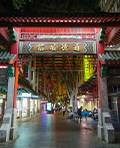
Chinatown
The historic centre of Broome, with pearl showrooms, galleries, cafés and Sun Pictures.
Best for: First-time visitors, shopping and dining

Broome cruises reveal a wilder side of Western Australia’s coastline, combining spectacular Kimberley sunsets with marine wildlife encounters and coastal adventures. Cruises through Roebuck Bay offer opportunities to spot rare snubfin dolphins, turtles and migratory birds, while trips along the Broome coastline showcase Cable Beach and its striking red pindan cliffs.
Other cruise adventures include visits to 120-million-year-old dinosaur footprints, mud crabbing in mangrove creeks and full-day journeys to the spectacular Horizontal Falls. Between June and September, Humpback Whales migrate along the coast, making this a prime time for cruises that combine sightings with Broome’s famous sunsets.
Broome Cruise Experiences
The attractions of Broome can be found in two main areas: the coast and the old pearling town. Along the water are red pindan cliffs, Cable Beach and dinosaur footprints. Closer to Chinatown are a heritage cinema, a historic cemetery and a museum on pearling.
A 22km white sand beach on the Indian Ocean, around 10 minutes from the town centre. It is famous for its sunset camel rides, when visitors ride in a line of camels along the shoreline as the sun sets. The beach takes its name from the telegraph cable that came ashore here in 1889, linking Broome with Java and the rest of the world. Camel rides also run in the morning and afternoon.
Lifeguards patrol part of the beach in the dry season, but it is not patrolled from late October to early April, so swim between the flags. Behind the beach, walking trails through Minyirr Park lead to a sunset viewing platform.
A headland of red pindan cliffs on the Indian Ocean, around 9km from central Broome and about a 5km walk along the sand from Cable Beach. It is famous for its dinosaur footprints, preserved in the reef rock for over 120 million years and visible only at very low tide. At high tide, visitors can see plaster casts of the tracks at the top of the cliff. The lighthouse on the point dates back to 1905 and was rebuilt in 1984.
A short walk away is Anastasia’s Pool, a rock pool a lighthouse keeper made for his wife, which was damaged by a storm in 2014. The point has no lifeguard patrol, and its rock pools are not safe for swimming, so keep to the marked paths and check the tide times before visiting.
A local history museum on Robinson Street, run by volunteers from the Broome Historical Society. It is known for its collection relating to the pearling industry. The museum is housed in the former Customs House and the Sailmaker’s Shed, two of the oldest buildings in Broome.
Exhibits cover pearling, shipwrecks, Aboriginal objects and stories and the World War II air raid on Broome. Others tell the story of missing diamonds and of how people from many countries came to live and work in Broome. Opening hours change with the seasons, so check before visiting.
The largest Japanese cemetery in Australia, on Port Drive between Old Broome and Cable Beach. It is known for its more than 700 graves dating back to 1896, many with headstones made from coloured beach rock. Most of those buried here were Japanese pearl divers, who played a large part in the early pearling industry.
A large stone obelisk remembers those lost at sea in the 1908 cyclone. The cemetery has been restored as a heritage site and the Chinese Cemetery is next door. Opening hours change with the seasons.
An open-air cinema in Chinatown that has been showing films since 1916. It is famous as the oldest open-air cinema still operating in the world, recognised by Guinness World Records in 2004. The cinema is also listed on the State Register of Heritage Places. Films are watched from deckchairs under the stars.
In its early years, high tides sometimes flooded the cinema and audiences had to lift their feet during screenings. It also sits under the airport flight path, so planes sometimes pass low during a film. Visit during the day to see the old artefacts on display.
A birdwatching and research centre on the shores of Roebuck Bay, around 25km east of Broome. Run by BirdLife Australia since 1988, it is known as one of the best places in Australia to see shorebirds, with more than 330 bird species recorded within 70km. Shorebirds are present all year and between March and May visitors can watch the adults leave in large flocks for their breeding grounds in the Northern Hemisphere.
The observatory has a bird viewing platform, a walking track and the Clive Minton Discovery Centre, an interactive visitor centre. Staff run guided tours, and on-site accommodation and camping are available. Much of the access road is unsealed and sandy, so a 4WD is recommended.
Pearl Luggers: A pearling museum on Dampier Terrace with two restored pearl luggers and guided tours.
Malcolm Douglas Crocodile Park: A wildlife park around 15 minutes from Broome, home to saltwater crocodiles, alligators, dingoes and cassowaries.
Broome Courthouse Markets: A Saturday market in the gardens of the old Courthouse, held all year.
A 22km white sand beach on the Indian Ocean, around 10 minutes from the town centre. It is famous for its sunset camel rides, when visitors ride in a line of camels along the shoreline as the sun sets. The beach takes its name from the telegraph cable that came ashore here in 1889, linking Broome with Java and the rest of the world. Camel rides also run in the morning and afternoon.
Lifeguards patrol part of the beach in the dry season, but it is not patrolled from late October to early April, so swim between the flags. Behind the beach, walking trails through Minyirr Park lead to a sunset viewing platform.
A headland of red pindan cliffs on the Indian Ocean, around 9km from central Broome and about a 5km walk along the sand from Cable Beach. It is famous for its dinosaur footprints, preserved in the reef rock for over 120 million years and visible only at very low tide. At high tide, visitors can see plaster casts of the tracks at the top of the cliff. The lighthouse on the point dates back to 1905 and was rebuilt in 1984.
A short walk away is Anastasia’s Pool, a rock pool a lighthouse keeper made for his wife, which was damaged by a storm in 2014. The point has no lifeguard patrol, and its rock pools are not safe for swimming, so keep to the marked paths and check the tide times before visiting.
A local history museum on Robinson Street, run by volunteers from the Broome Historical Society. It is known for its collection relating to the pearling industry. The museum is housed in the former Customs House and the Sailmaker’s Shed, two of the oldest buildings in Broome.
Exhibits cover pearling, shipwrecks, Aboriginal objects and stories and the World War II air raid on Broome. Others tell the story of missing diamonds and of how people from many countries came to live and work in Broome. Opening hours change with the seasons, so check before visiting.
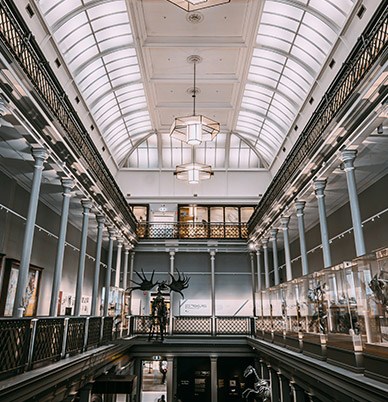
The largest Japanese cemetery in Australia, on Port Drive between Old Broome and Cable Beach. It is known for its more than 700 graves dating back to 1896, many with headstones made from coloured beach rock. Most of those buried here were Japanese pearl divers, who played a large part in the early pearling industry.
A large stone obelisk remembers those lost at sea in the 1908 cyclone. The cemetery has been restored as a heritage site and the Chinese Cemetery is next door. Opening hours change with the seasons.
An open-air cinema in Chinatown that has been showing films since 1916. It is famous as the oldest open-air cinema still operating in the world, recognised by Guinness World Records in 2004. The cinema is also listed on the State Register of Heritage Places. Films are watched from deckchairs under the stars.
In its early years, high tides sometimes flooded the cinema and audiences had to lift their feet during screenings. It also sits under the airport flight path, so planes sometimes pass low during a film. Visit during the day to see the old artefacts on display.
A birdwatching and research centre on the shores of Roebuck Bay, around 25km east of Broome. Run by BirdLife Australia since 1988, it is known as one of the best places in Australia to see shorebirds, with more than 330 bird species recorded within 70km. Shorebirds are present all year and between March and May visitors can watch the adults leave in large flocks for their breeding grounds in the Northern Hemisphere.
The observatory has a bird viewing platform, a walking track and the Clive Minton Discovery Centre, an interactive visitor centre. Staff run guided tours, and on-site accommodation and camping are available. Much of the access road is unsealed and sandy, so a 4WD is recommended.
Pearl Luggers: A pearling museum on Dampier Terrace with two restored pearl luggers and guided tours.
Malcolm Douglas Crocodile Park: A wildlife park around 15 minutes from Broome, home to saltwater crocodiles, alligators, dingoes and cassowaries.
Broome Courthouse Markets: A Saturday market in the gardens of the old Courthouse, held all year.
The historic centre of Broome, with pearl showrooms, galleries, cafés and Sun Pictures.
Best for: First-time visitors, shopping and dining

Quiet streets near Chinatown with the old homes of the pearl masters and the Courthouse, a former telegraph cable station.
Best for: Heritage walks
 Cruise Cable Beach at sunset (recommended)Find snubfins in Roebuck BaySpot Humpbacks (Jun–Sep)Go mud crabbing in mangrovesWalk Reddell Beach at low tideFind dinosaur prints at Gantheaume (recommended)Ride camels on Cable BeachBirdwatch at Broome Bird ObservatoryWatch a crocodile feeding at Malcolm DouglasWalk the Minyirr TrailWatch films at Sun Pictures (recommended)Visit the Japanese CemeteryTour the Pearl LuggersExplore the Broome Historical MuseumJoin a Yawuru-guided cultural tourWatch the Staircase to the Moon (recommended)Shop at the Courthouse MarketsVisit pearl showrooms in ChinatownWalk the Jetty to Jetty trailVisit the Town Beach night markets
Broome is the western gateway to the Kimberley region, and some of the most remote coastlines in Australia are within a day of the town. These day trips need an early start and some require a 4WD or a flight.
A remote peninsula north of Broome with red cliffs, white beaches and Aboriginal communities. The main road to Cape Leveque is sealed, but a high-clearance 4WD is recommended off the main road and some communities charge an access fee. Don't miss the Sacred Heart Church at Beagle Bay, finished in 1918, with an altar decorated in mother-of-pearl shell.
A town on King Sound with some of the largest tides in Australia. The tidal range is easiest to see from Derby Jetty, which is also a popular sunset spot. Don't miss the Boab Prison Tree, a hollow boab more than 14 metres around and believed to be over 1,500 years old.
A working pearl farm on a tidal creek north of Broome. Tours visit the oyster nursery, cruise the creek and show a live pearl harvest. The road is unsealed, so a 4WD is needed to drive there, or visitors can book a tour with transfers. Don't miss the moment a pearl is taken from the shell during the harvest.
A tidal waterfall in Talbot Bay, where the sea rushes through two narrow gorges as the tide changes. There is no road access, so visitors arrive by scenic flight or on a full-day Kimberley cruise from Broome. Don't miss the falls at a big tide, when the water level on one side can sit metres higher than the other.
* You can mix and match these itineraries according to your time, interests and convenience to create your own Broome experience.
Broome can be reached by air through Broome International Airport (BME), less than a kilometre from the town centre, with direct flights from Perth all year and seasonal direct flights from Melbourne and Sydney.
International travellers: Broome Airport has no regular international flights. Because of this, most international travellers fly into Perth Airport (PER), which has international flights every day and then take a domestic flight to Broome of around two and a half hours. Compare fares across airlines and travel sites when booking flights.
Domestic travellers: Regional airlines also link Broome with Darwin, Kununurra and other towns across Western Australia and the Northern Territory. Flight schedules can change, so for the latest routes, visit the official Broome International Airport website. By road, Integrity Coach Lines runs a long-distance bus between Perth and Broome along the coast. For timetables and bookings, visit the official Integrity Coach Lines website.
From Broome Airport To Town
Taxi: A taxi rank is located outside the arrivals area. Taxis are limited and some local companies take phone bookings only. For more details, visit the official Broome International Airport website.
Shuttle: An airport shuttle runs to Town Beach and Cable Beach, with tickets bought on arrival. Some hotels and resorts also offer transfers for their guests. For more details, visit the official Visit Broome website.
Car hire: Car hire is available in Broome and is a simple way to get from the airport into town. Some roads around Broome are unsealed, so a 4WD may be needed.
Getting around: The TransBroome bus (Route 890) is the local public bus service. For routes and timetables, visit the official TransRegional website.
Broome Airport has no regular international flights. Because of this, most international travellers fly into Perth Airport (PER), which has international flights every day and then take a domestic flight to Broome of around two and a half hours. Compare fares across airlines and travel sites when booking flights.
Regional airlines also link Broome with Darwin, Kununurra and other towns across Western Australia and the Northern Territory. Flight schedules can change, so for the latest routes, visit the official Broome International Airport website. By road, Integrity Coach Lines runs a long-distance bus between Perth and Broome along the coast. For timetables and bookings, visit the official Integrity Coach Lines website.
| Resource | Purpose |
|---|---|
| Visit Broome | Find things to do, events, Staircase to the Moon dates and local travel information. |
| Tourism Western Australia | Plan trips to Broome and across the Kimberley. |
| Shire of Broome | Check beach safety, stinger information and local facilities. |
| Parks and Wildlife: Yawuru Conservation Estate | Check park information, crocodile safety and alerts before visiting. |
| Broome International Airport | Check flights, airlines and transport to and from the airport. |
| Broome Bird Observatory | Plan a visit to see the shorebirds of Roebuck Bay. |
| TransRegional: Broome | Check TransBroome bus routes and timetables. |
| The Bureau of Meteorology | Check the Broome weather forecast, tides and cyclone warnings before heading out. |

Broome Urgent Care Clinic provides medical attention for urgent, non-life-threatening cases, while Broom Health Campus offers 24-hour emergency care for serious conditions.
Call 000 immediately for emergencies requiring police, fire, or ambulance services.

Posted On: Jul 15, 2026
Broome sits at the edge of the Australian continent where the red dirt of the Kimberley meets the Indian Ocean, and somehow the sunsets here manage to make that dramatic geography look even better.
Posted On: Aug 27, 2024
Known for its stunning sunsets, Broome is a destination where nature paints the sky with extraordinary colours. In Broome, sunsets aren’t something you just see, it’s an experience, a moment to marvel at the beauty of nature.
Posted On: Mar 27, 2024
Dear readers, allow us to take you to a laid-back town in the Kimberly region of Western Australia that boasts the prettiest sunsets and hides pearls beneath its waters. A small town where a mystical staircase appears from the ocean to the moon.


