


Battery Point
Hobart's historic residential neighbourhood, known for Georgian cottages, Kelly's Steps, Arthur Circus and heritage streets.
Best for: Colonial architecture, walking and cafés

Hobart’s waterfront location on the Derwent River makes it an ideal base for exploring Tasmania by water. Cruises in Hobart range from short sightseeing trips along the river to longer adventures that venture towards Bruny Island, the Tasman Peninsula and Tasmania’s rugged coastline.
Choose from sightseeing and lunch boat cruises in Hobary, wildlife and wilderness experiences, Bruny Island boat trips, Tasman Island cruises and Port Arthur experiences. Aboard these boat tour in hobart, you can take in Hobart’s waterfront, Battery Point, Sandy Bay, the Tasman Bridge and the landscapes beyond the city.
Hobart Cruise Experiences
Hobart's main attractions combine colonial history, Tasmanian art and culture, mountain landscapes and its long connection with the Derwent River. Most of the city's central attractions can be explored within a relatively compact area.
Salamanca Place is one of Hobart's best-known historic precincts, lined with sandstone warehouses built in the 1830s and 1840s. The buildings originally served as stores and warehouses for goods including whale oil, grain and timber and now contain galleries, restaurants, cafés and shops.
Every Saturday, Salamanca Market fills the precinct with more than 300 stalls selling Tasmanian produce, food, crafts, artworks, clothing and other local products. The market runs from 8:30am to 3pm and is one of the city’s major weekly attractions.
Rising to 1,271m, kunanyi/Mount Wellington dominates the Hobart skyline and provides panoramic views across the city, Derwent River and surrounding countryside. The summit is around 21 km from the CBD and can be reached by road.
The mountain is part of Wellington Park and contains walking tracks ranging from short walks to longer hikes. The Organ Pipes, dolerite cliffs and sub-alpine vegetation are among its defining features, while snow can cover the summit during winter.
MONA is Australia's largest private museum and one of Hobart's most distinctive and unconventional cultural attractions. Rather than presenting art in a traditional museum setting, MONA features works of art that challenge ideas about sex, life, death, religion and the human body. The experience is deliberately provocative, with dark, strange and controversial works displayed throughout its underground galleries.
The museum is located at Berriedale on the Derwent. Visitors can reach MONA by road or by the museum's dedicated ferry service from Hobart's waterfront.
The Tasmanian Museum and Art Gallery (TMAG) explores Tasmania’s natural and cultural history, including Aboriginal heritage, colonial history, wildlife and the state's geological past. Its collections also include exhibitions on Tasmania's extinct thylacine and Antarctic exploration. TMAG is located close to the waterfront and can be combined with Salamanca Place, Constitution Dock and other central attractions.
Established in 1818, the Royal Tasmanian Botanical Gardens is Australia's second-oldest botanical gardens. The 14-hectare site contains historic plant collections, ornamental gardens, heritage buildings and a Subantarctic Plant House designed to recreate the conditions of islands in the Southern Ocean.
Located around 2 km from Hobart city centre, the gardens are easy to reach by car, bus or taxi, with parking available nearby.
The Cascades Female Factory is one of Tasmania's major convict heritage sites and forms part of the UNESCO-listed Australian Convict Sites World Heritage Property. The former female convict factory operated in the 1800s and housed thousands of women transported to Van Diemen's Land. Today, visitors can explore the site's remaining buildings and learn about the experiences of female convicts in colonial Tasmania.
Battery Point is Hobart's oldest suburb and one of Australia's best-preserved colonial-era neighbourhoods. Its narrow streets, Georgian cottages, merchants' homes and former workers' housing reflect Hobart's 19th-century history. You can reach Battery Point on foot from the city centre via Kelly's Steps, or see the suburb from the water Aboard one of the Hobart river cruises.
The Tasman Bridge spans the Derwent River, linking Hobart's eastern and western shores. The bridge was rebuilt after a section collapsed in 1975 when the bulk carrier Lake Illawarra struck its supports, an event that remains part of Hobart's history. You can cross the bridge by car, bus, bicycle or on foot, while boat tour in Hobart offer views of the bridge from below and the surrounding waterfront.
Salamanca Place is one of Hobart's best-known historic precincts, lined with sandstone warehouses built in the 1830s and 1840s. The buildings originally served as stores and warehouses for goods including whale oil, grain and timber and now contain galleries, restaurants, cafés and shops.
Every Saturday, Salamanca Market fills the precinct with more than 300 stalls selling Tasmanian produce, food, crafts, artworks, clothing and other local products. The market runs from 8:30am to 3pm and is one of the city’s major weekly attractions.
Rising to 1,271m, kunanyi/Mount Wellington dominates the Hobart skyline and provides panoramic views across the city, Derwent River and surrounding countryside. The summit is around 21 km from the CBD and can be reached by road.
The mountain is part of Wellington Park and contains walking tracks ranging from short walks to longer hikes. The Organ Pipes, dolerite cliffs and sub-alpine vegetation are among its defining features, while snow can cover the summit during winter.
MONA is Australia's largest private museum and one of Hobart's most distinctive and unconventional cultural attractions. Rather than presenting art in a traditional museum setting, MONA features works of art that challenge ideas about sex, life, death, religion and the human body. The experience is deliberately provocative, with dark, strange and controversial works displayed throughout its underground galleries.
The museum is located at Berriedale on the Derwent. Visitors can reach MONA by road or by the museum's dedicated ferry service from Hobart's waterfront.
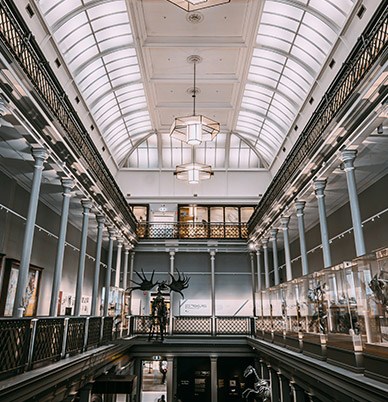
The Tasmanian Museum and Art Gallery (TMAG) explores Tasmania’s natural and cultural history, including Aboriginal heritage, colonial history, wildlife and the state's geological past. Its collections also include exhibitions on Tasmania's extinct thylacine and Antarctic exploration. TMAG is located close to the waterfront and can be combined with Salamanca Place, Constitution Dock and other central attractions.
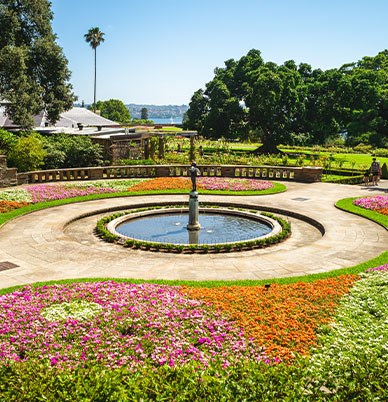
Established in 1818, the Royal Tasmanian Botanical Gardens is Australia's second-oldest botanical gardens. The 14-hectare site contains historic plant collections, ornamental gardens, heritage buildings and a Subantarctic Plant House designed to recreate the conditions of islands in the Southern Ocean.
Located around 2 km from Hobart city centre, the gardens are easy to reach by car, bus or taxi, with parking available nearby.
The Cascades Female Factory is one of Tasmania's major convict heritage sites and forms part of the UNESCO-listed Australian Convict Sites World Heritage Property. The former female convict factory operated in the 1800s and housed thousands of women transported to Van Diemen's Land. Today, visitors can explore the site's remaining buildings and learn about the experiences of female convicts in colonial Tasmania.
Battery Point is Hobart's oldest suburb and one of Australia's best-preserved colonial-era neighbourhoods. Its narrow streets, Georgian cottages, merchants' homes and former workers' housing reflect Hobart's 19th-century history. You can reach Battery Point on foot from the city centre via Kelly's Steps, or see the suburb from the water Aboard one of the Hobart river cruises.
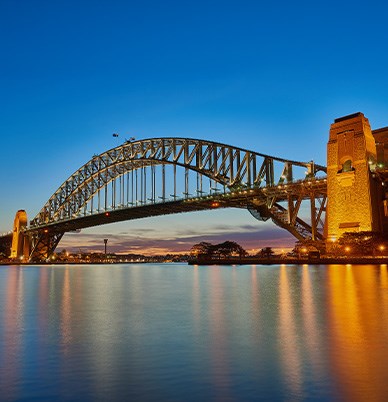
The Tasman Bridge spans the Derwent River, linking Hobart's eastern and western shores. The bridge was rebuilt after a section collapsed in 1975 when the bulk carrier Lake Illawarra struck its supports, an event that remains part of Hobart's history. You can cross the bridge by car, bus, bicycle or on foot, while boat tour in Hobart offer views of the bridge from below and the surrounding waterfront.
Hobart's historic residential neighbourhood, known for Georgian cottages, Kelly's Steps, Arthur Circus and heritage streets.
Best for: Colonial architecture, walking and cafés
The city's food and café strip along Elizabeth Street, known locally as one of Australia's best eating streets for its density of restaurants.
Best for: Dining, nightlife and local food
A residential suburb south of the CBD, extending along the Derwent and home to the University of Tasmania’s Sandy Bay campus.
Best for: Waterfront walks, dining and a quieter locale
One of Hobart’s older inner suburbs, located north of the CBD and known for heritage homes, parks and local cafés.
Best for: Local neighbourhood vibe and longer stays
A growing inner-urban suburb known for its brilliant food scene, creative spirit and affordability.
Best for: Multicultural food and local artistic experiences

Central commercial and historic area with shops, museums, galleries, restaurants and waterfront.
Best for: First-time visitors, sightseeing and central accommodation
Historic waterfront precinct with sandstone warehouses, galleries, restaurants & the Salamanca Market.
Best for: History, food, markets, galleries and nightlife
 Visit MONA (recommended)Explore the Tasmanian Museum and Art GalleryVisit the Mawson's Huts Replica MuseumExplore the Cascades Female FactoryBattery Point Historic Walking TourFresh off the boat seafood on a lunch cruise (recommended)Bruny Island gourmet food tourExplore Salamanca Market (only on Sat)Taste local beers at Cascade BreweryEat your way along North Hobart's restaurant stripHike to kunanyi / Mount Wellington (recommended)Walk through the Royal Tasmanian Botanical GardensHead to the Mount Nelson LookoutHobart Rivulet WalkVisit the Cascade GardensDiscover the coastal wilderness on a Bruny cruise (recommended)Visit the Tasmanian Devil UnzooMount Field National Park tourExplore the Bonorong Wildlife SanctuaryGo on Humpback Whale watching tourExplore Bruny Island on a cruiseTake the MONA ROMA ferry to MONAWalk along the Hobart waterfrontDiscover Tasman Island on a boat trip
Australia's largest and best-preserved convict site and a UNESCO World Heritage listing, set on the Tasman Peninsula alongside the dramatic sea cliffs of Cape Raoul and Tasman Island. Port Arthur has more than 30 historic buildings and ruins including multiple prisons, The Penitentiary and churches. The site visit is best experienced when combined with a Tasman Island cruise tour.
Richmond is a historic village with more than 50 Georgian buildings, cafés, galleries and heritage sites. Its most famous landmark is Richmond Bridge, built by convict labour and now Australia's oldest surviving large stone arch bridge. Richmond Gaol and St. John the Evangelist Church are other significant sites.
Mount Field National Park forms part of the Tasmanian Wilderness World Heritage Area. The park contains tall eucalypt forests, cool-temperate rainforest, alpine landscapes and several waterfalls. The short walk to Russell Falls is one of the park's most accessible experiences, while longer tracks lead towards Lake Dobson and the higher parts of the park.
Freycinet National Park is one of Tasmania's most recognisable natural destinations, known for the Hazards mountains and Wineglass Bay. Wineglass Bay is known for its curved white-sand beach and is regularly ranked among the world's best beaches. Visitors can walk to the Wineglass Bay Lookout, continue down to the beach or explore coastal trails such as the Wineglass Bay and Hazards Beach circuit.
Bruny Island lies off the southeast coast of Tasmania and is divided into North and South Bruny by the narrow Neck. It is a wild, sparsely populated island known for towering sea cliffs, a resident seal colony and some of Tasmania's best artisan food producers making oysters, cheese, honey, whisky and chocolate. The island is reached by vehicle ferry from Kettering. Once on the island, visitors can also join a scenic boat cruise to explore its dramatic coastline, sea caves and towering rock formations, making it one of the most popular cruises in Hobart.
An apple-growing region turned foodie destination, known for cideries, cellar doors and the Tahune Airwalk through the treetops. The region can be explored as a food-and-produce day trip or combined with the drive towards Tasmania's far south.
Maria Island combines wildlife, beaches and convict history, with highlights including the historic Darlington settlement, the colourful Painted Cliffs and Fossil Cliffs, and long sandy beaches around McRaes Isthmus. Visitors can explore the island on foot or by bike, with opportunities to see wombats, kangaroos, wallabies and many more. Some boat cruises in Hobart also venture to Maria Island, offering a different perspective of its coastal scenery and natural attractions.
* You can mix and match these itineraries according to your time, interests and convenience to create your own Hobart experience.
Hobart Airport (HBA) is Tasmania’s main international airport and the primary gateway for visitors arriving in the south of the state. It is located around 20km from Hobart CBD, with the journey into the city taking approximately 15 mins by car in normal traffic. Domestic flights connect Hobart with major Australian cities.
| Resource | Purpose |
|---|---|
| Discover Tasmania | Tasmania attractions, destinations, experiences and travel information |
| City of Hobart | City services, local attractions, events and visitor information |
| Metro Tasmania | Hobart buses, routes, fares and public transport |
| Hobart Airport | Flight information, airport facilities and transport |
| Tasmania Parks and Wildlife Service | National parks, walking trails, reserves and park conditions |
| Port Arthur Historic Site | Port Arthur history, entry, tours and visitor information |
| MONA | Museum information, tickets, exhibitions and ferry details |
| The Bureau of Meteorology | Hobart weather forecasts and warnings |


Posted On: Jul 01, 2026
If you’re visiting Hobart, chances are someone will tell you to check out the offshore Hobart islands: Bruny Island or Tasman Island. Both are among the most popular offshore destinations in Tasmania, known for their rugged beauty, wildlife and unforgettable coastal scenery.
Posted On: May 07, 2026
If you’re picturing a relaxed harbour circuit with skyline views and calm waters, then Tasman Island cruises will surprise you in the best way possible!
Posted On: Mar 03, 2026
Hobart is not just a gateway to Tasmania’s wild wilderness, but also a destination defined by food and flavour.
Posted On: Mar 03, 2026
If there’s one experience that truly captures the wild spirit of Southern Tasmania, it’s a Bruny Island wilderness cruise.


